

 academiccompositionab
 Empowerment Equalizer
 SSaragian
 Antony Sammeroff
 Ann Sterzinger
 Rodney
 RJ
RJ busterjames
 cainusmaxus
 Craig FitzGerald
 David Heleniak
 Caity & Dan Greene
 keirmartland
 Keith Preston
 Bill the Butcher
 ljp711
 MRDA
MRDA Jack Donovan
 Rachel Haywire
 comrade hermit
 Michael
 Vince
Vince Regan
Regan robertstark2014
 Noonan
 S E Pearson
 Rachel Haywire
 Nexus X Humectress
Trump and the CIA. Military defies Zelensky. The upcoming Yermak-Budanov battle.
Zelensky’s flair for flashy PR moves has resulted in a dizzying number of personnel changes. Each time, he promises, things will truly transform for the better.
As former prosecutor general Yuri Lutsenko put it today:
Zelensky is an extremely effective seller of hope.
To give just one example, there have been no less than six defense ministers since 2019, when Zelensky took power. The latest, Mikhailo Fedorov, was nominated by the president just a few days ago. He will be the third defense minister of the past 6 months.
Besides deflecting the blame for chronic problems, there are deeper factors behind these changes. Ukraine has always been at the contradictory crossroads of global geopolitics. This leads to paradoxical splits, both within each government elite and even in each individual. Zelensky’s dilly dallying back and forth between east and west is just the latest example of a long tradition.
In other words, the chaotic personnel shakeups represent important global processes.
Today we’ll be taking a look at three important personnel changes that have already marked 2026. First, the appointment of military intelligence (GUR) chief Kyryllo Budanov to take charge of the presidential administration. Second, the appointment of foreign intelligence service (FIS) chief Oleg Ivashchenko to head military intelligence. Third, the possible removal of security services (SBU) chief Vasyl Malyuk. A lot of three letter agencies.
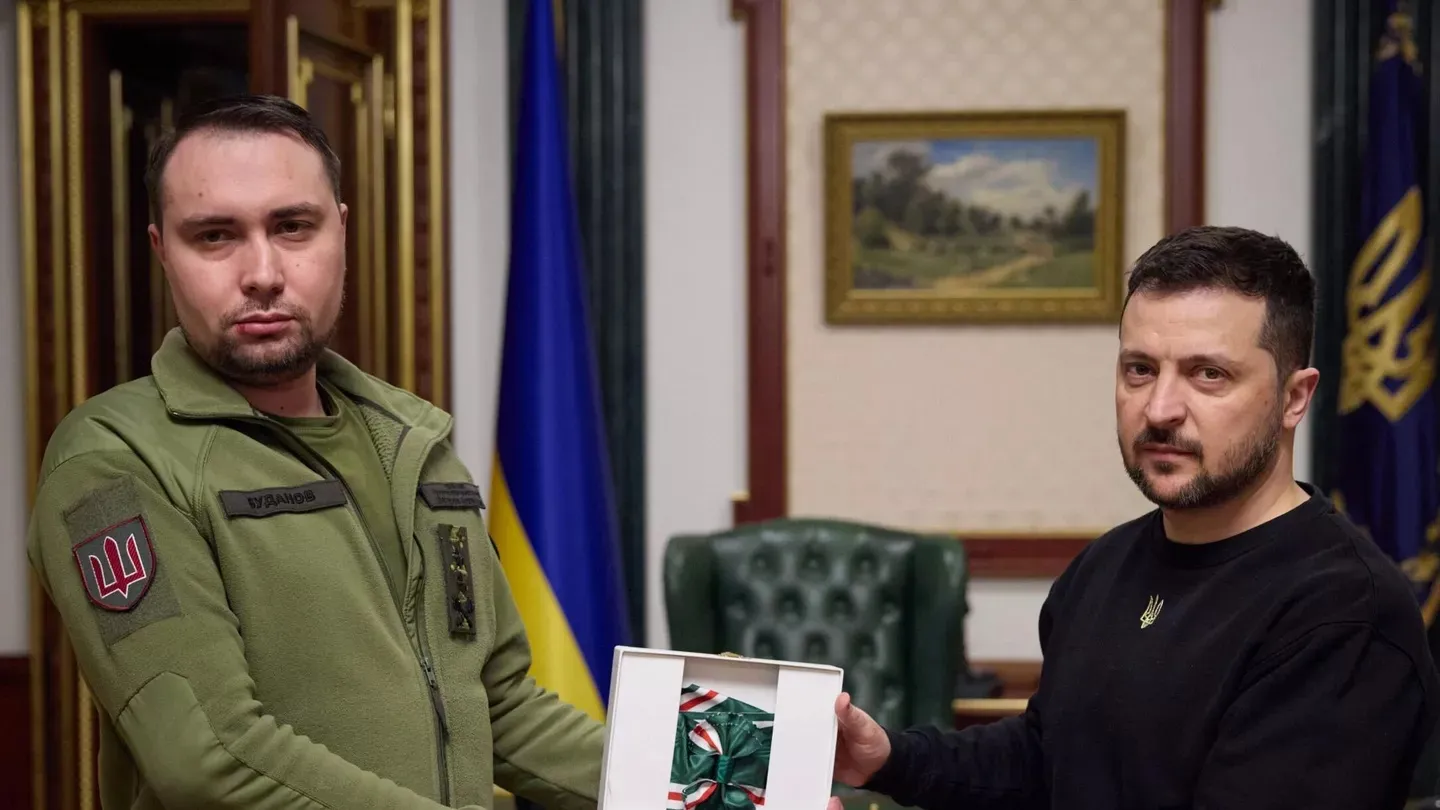
Along with these changes, there are two constants. First, the continued shadow influence of former head of staff (2020-November 28 2025), Andriy Yermak. Yermak’s trusted agent may also be the man about to take charge of the SBU. Second, the survival and strengthening of much-despised head of the army Oleksandr Syrsky.
What is the significance of all this?
Clearly, Budanov’s 2026 rise has already characterized the year by the appointment of military figures to top government posts.
But even more importantly, a multitude of nationalist generals, bloggers and commanders in the military are now openly intervening to try prevent Zelensky from removing those they sympathize with — SBU head Vasily Malyuk. The politicization of the army is growing apace. Such open military defiance of the president in wartime is entirely without precedent.
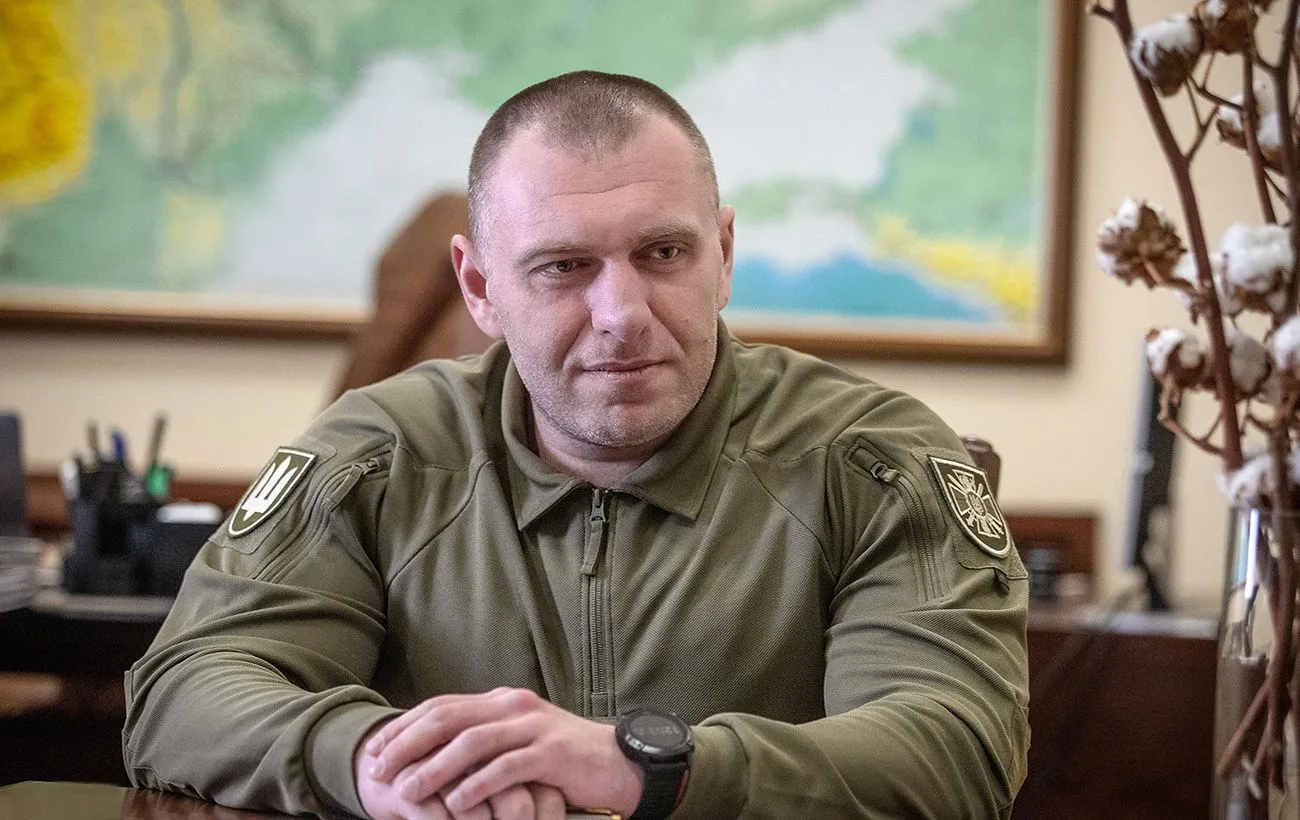
Besides this split between the military and the president, there is another one. The pro-western/western-funded liberal nationalist opposition (‘Sorosites’) to the president is highly concerned about Zelensky’s recent personnel choices. They see Malyuk as a tactical ally against the strengthening of Zelensky-Budanov.
Finally, there is a geopolitical element to all this. The Sorosites are characterized by their opposition to an end to the war. Budanov, meanwhile, paradoxical as it may sound given his extreme reputation, seems to be alluding towards just such a negotiated ceasefire.
Yermak’s continued influence, despite the rise of his enemy Budanov, also indicates that new conflicts will erupt in the near future. The struggle, as some put it, between Yermak’s MI6 militarism and Budanov’s CIA Trumpianism is certainly most complex.
Budanov, Yermak, Zelensky
Two days ago, Zelensky appointed head of military intelligence (GUR) Kyryllo Budanov as new chief of staff.
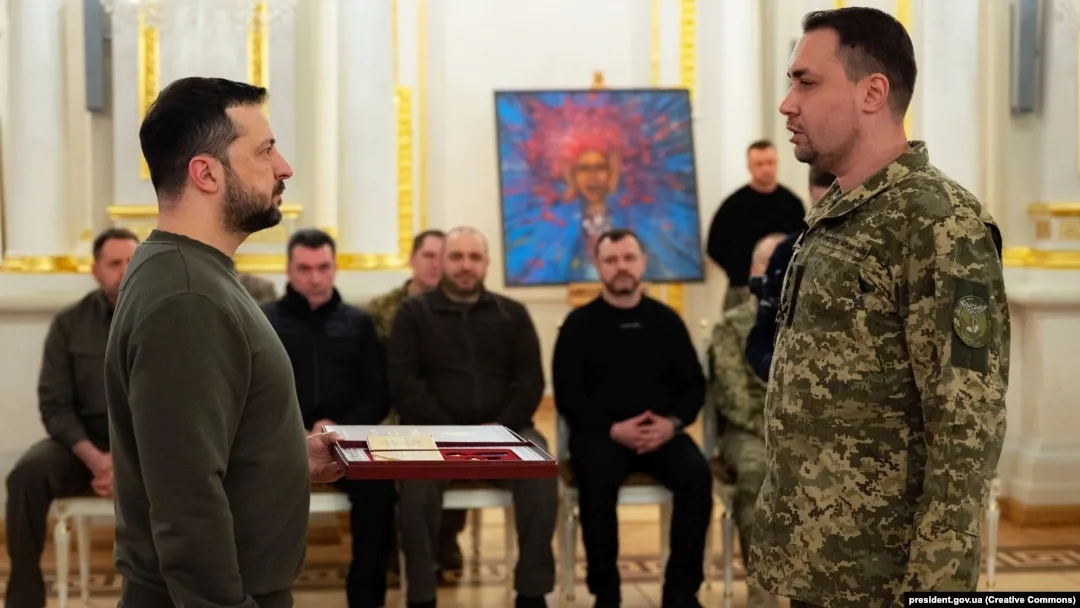
It is likely that Zelensky hopes Budanov can keep him safe in the turbulent future, particularly if an unpopular peace deal is signed. In this connection, it is interesting to look at some of the individuals placed alongside Budanov at the president’s office.
One is Oleg Ivashchenko, until now head of Ukraine’s Foreign Intelligence Service (FIS). He has replaced Budanov as head of the GUR.
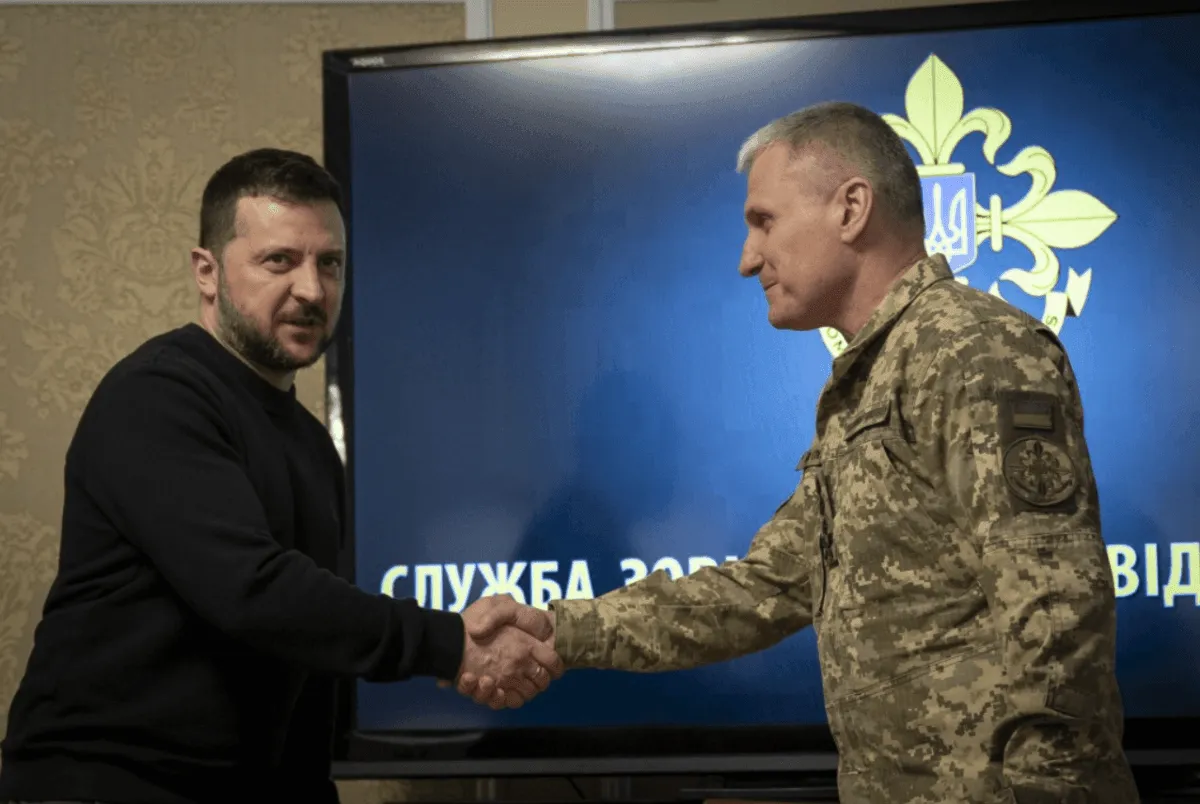
Another is military veteran Pavlo Palysa, who was already in the president’s office over the past year as Yermak’s aide. He has now become Budanov’s first deputy.
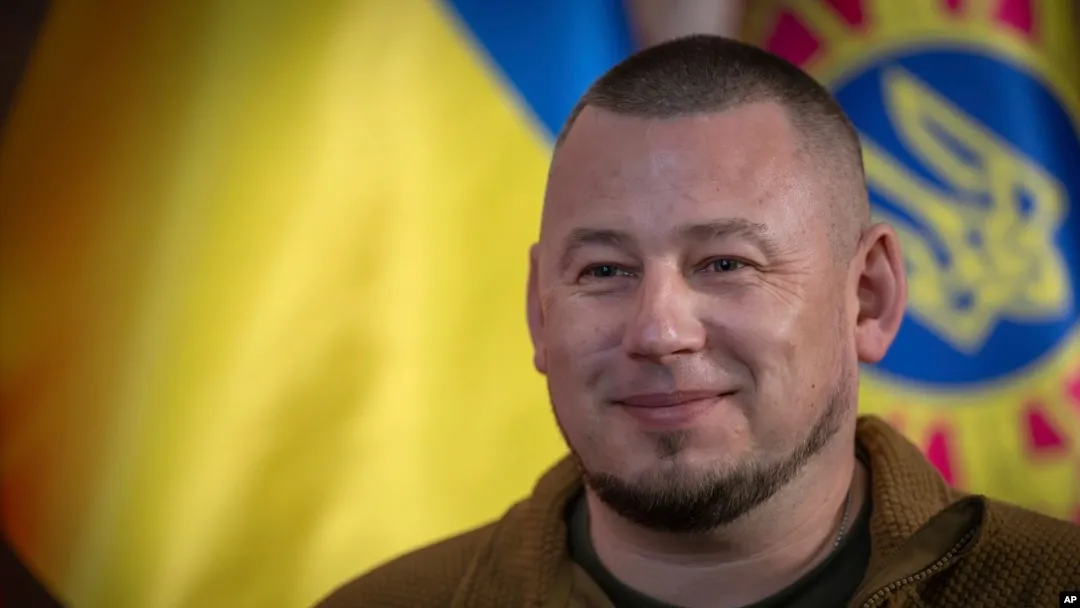
Both Ivashchenko and Palysa are known for their closeness to Andriy Yermak, who had been in charge of the president’s office from 2020 to November 2025. This is somewhat paradoxical, since Budanov was always known for his opposition to Yermak.
But Palysa was always known as a relative nobody chosen by and loyal to Yermak. And in December, reports in the pro-western, liberal nationalist (aka ‘Sorosite’) press emerged that Yermak was meeting with Ivashchenko at his Foreign Intelligence Service. This was after Yermak had been removed from his post, and was greeted with outrage by many. More recently, the same Sorosite press reported that Yermak continues having nightly personal meetings with Zelensky.
The simultaneous rise of Yermak and remained influence of Yermak is quite puzzling. Yermak and Budanov have been in a sharp conflict for years. The US had to intervene to save Budanov from removal many times, the last time being in September 2025.
My interpretation of this is that Zelensky wants Yermak’s influence to continue in at least some respect. That’s because he trusts Yermak completely. He trusts the extremely ambitious Budanov less so, and for good reason.
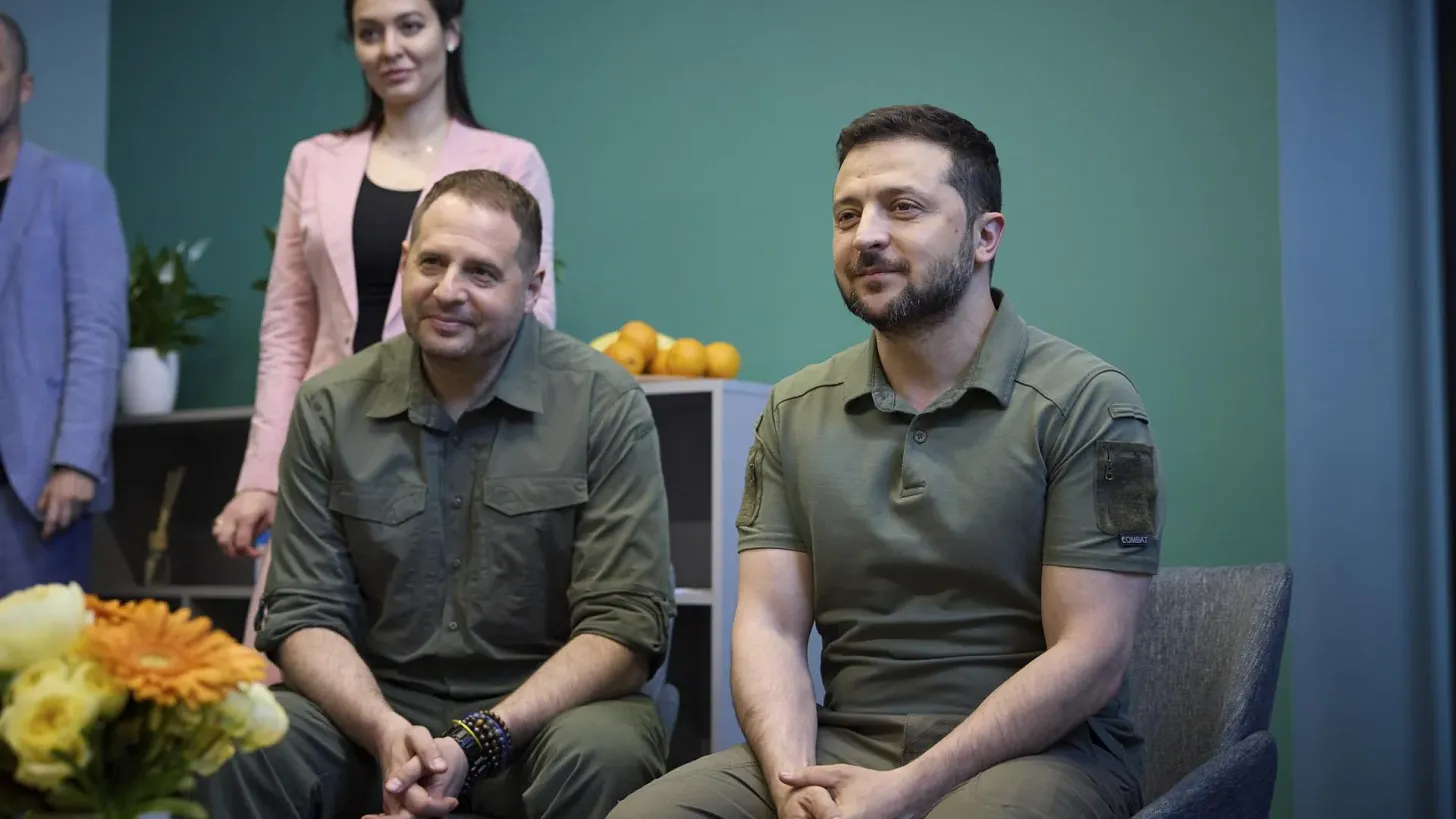
Some have even speculated that Zelensky has put Budanov in charge of the presidential administration to hurt Budanov. The head of the presidential administration is always a despised scapegoat in Ukraine. Putting the politically ambitious Budanov in the position could hence damage his image.
But Zelensky also needs Budanov. For one, as I discussed two days back, he likely believes that Budanov can guarantee his safety in case he leaves the presidency and/or signs a controversial peace deal with Russia.
Zelensky also probably hopes that Budanov can help him withstand the attacks of the liberal nationalist opposition through their media and anti-corruption organs. It was this ‘Sorosite’ opposition that forced Zelensky to remove his beloved Yermak in November.
Budanov, who patronizes a network of pointedly illiberal neo-nazi paramilitaries, will certainly be happy to partake in this struggle. Budanov has publicly criticized the Sorosites in recent interviews for slowing military procurement through their ineffective ‘anti-corruption mechanisms’.
The rabidly anti-Trump Sorosites, in turn, have been increasing critical of Budanov in recent weeks and months. Though they paint Budanov’s political rise to Soviet Chekists seizing power, it is more likely that they have quite different geopolitical views — and different sponsors. The Sorosites have always been patronized by the Democratic party, whereas Budanov is more than partial to the Republicans.
Finally, a more maximalist interpretation of Budanov’s appointment is that Zelensky hopes that Budanov’s well-known American ties and position in favor of a peace deal could help him in the ongoing Russia-US-Ukraine negotiations. This was confirmed by Zelensky himself on January 3 when asked by journalists why he had chosen Budanov:
I am strengthening the negotiating team. That’s what I am doing
This interpretation of Budanov’s rise was also given in a January 4 interview with ex-prosecutor general Yury Lutsenko. Lutsenko is a highly anti-Zelensky politician allied to ex-president Petro Poroshenko. The discussion was published by Ukrainska Pravda, Ukraine’s premier ‘Sorosite’ media group.
Zelensky effectively sees in Budanov a person who can solve two of his problems. First, to remove responsibility for the peace process from Zelensky. And we all know that this is Zelensky’s favorite pastime: removing responsibility from himself — handing it over to America, to Europe, to a referendum, and now handing it over to Budanov. Wonderful.
Second, he expects that Budanov will remove the problems connected with continuing the investigation of the state mafia of Mindich and other people from President Zelensky’s inner circle. For this, Budanov was promised the status of a person who would be the next president, a so-called successor.
Both understand that this promise is not sincere. And Budanov, who accepted this position, hoping that he would be the first who could capitalize on it and rise higher — even though no head of the administration, office, or secretariat of the president has ever succeeded in doing so.
And Zelensky, who promises one thing and will do another.
Budanov understands that his electorate — and he does have one, he is a political player — does not coincide with Zelensky’s electorate. Bringing them together is a big question.
And Zelensky understands that Budanov, as head of the office but without personnel appointments and even without veto power, is more of a scapegoat than a real top-class player.
…
let’s still look at a more optimistic scenario. Budanov, as a person who speaks the same language — in all senses of the word — with the United States of America, primarily with the U.S. security establishment, has decent experience in conducting direct negotiations with the Russians regarding prisoners of war and not only that.
He has certain chances of achieving a dignified peace…
If he manages to deliver this, then Budanov will become the person who headed the negotiating group, brought a dignified peace agreement, Zelensky will sign it, and Budanov will effectively become the next presidential candidate from the authorities.
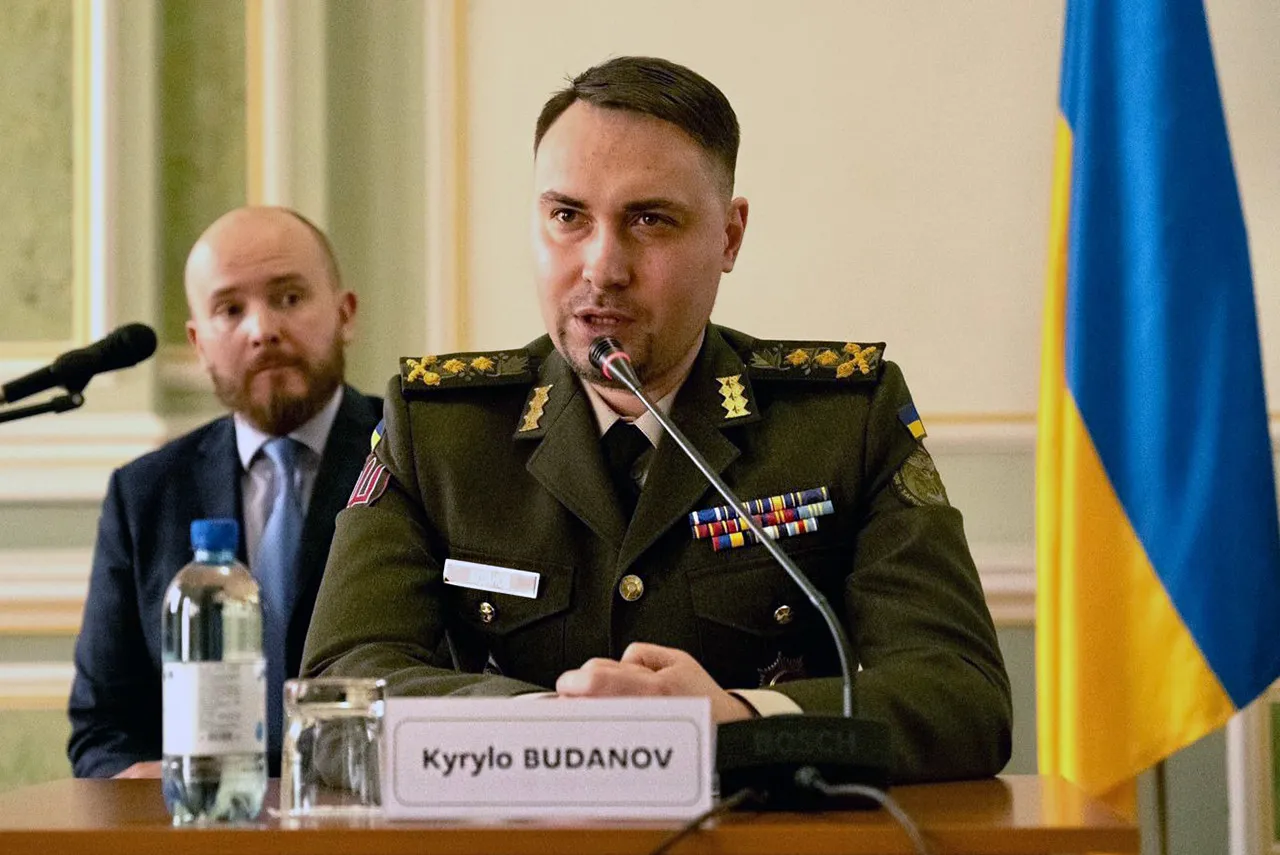
Lutsenko also predicts conflicts due to the fact that Yermak remains highly influential behind the scenes:
Budanov has received tasks without the main tool to accomplish them — without personnel policy. It seems to me that Zelensky’s calculation here is to drown Budanov in problems.
He delegates both negotiations and reforms to him, without giving him the possibility of achieving results independently. He appointed Budanov but left behind the scenes a competitor in the form of Yermak, with whom personnel policy is coordinated.
So Budanov will be responsible for results, while Yermak will be responsible for the personnel who control Budanov’s activities. This is a road to nowhere.
But knowing Budanov a bit, I think he will not be patient. In about three months we will see the first conflicts, and then it will become clear who is who.
Trump, Budanov, and the CIA
Now, let me make something clear. When I say that Budanov represents greater chances of a peace deal than Yermak, that Budanov represents CIA and Yermak MI6, that doesn’t mean that Budanov’s coming to power heralds an imminent to the war. Just as much as Trump coming to power a year ago didn’t end the war.
Trump is engaged in a complicated military-diplomatic-covert game with Russia. His aim is for Russia to disengage with China, if need be through conceding certain aspects of the Ukrainian question. The formation of a ‘Global North’ allied against the global south would be the highly unlikely ideal scenario for Washington.
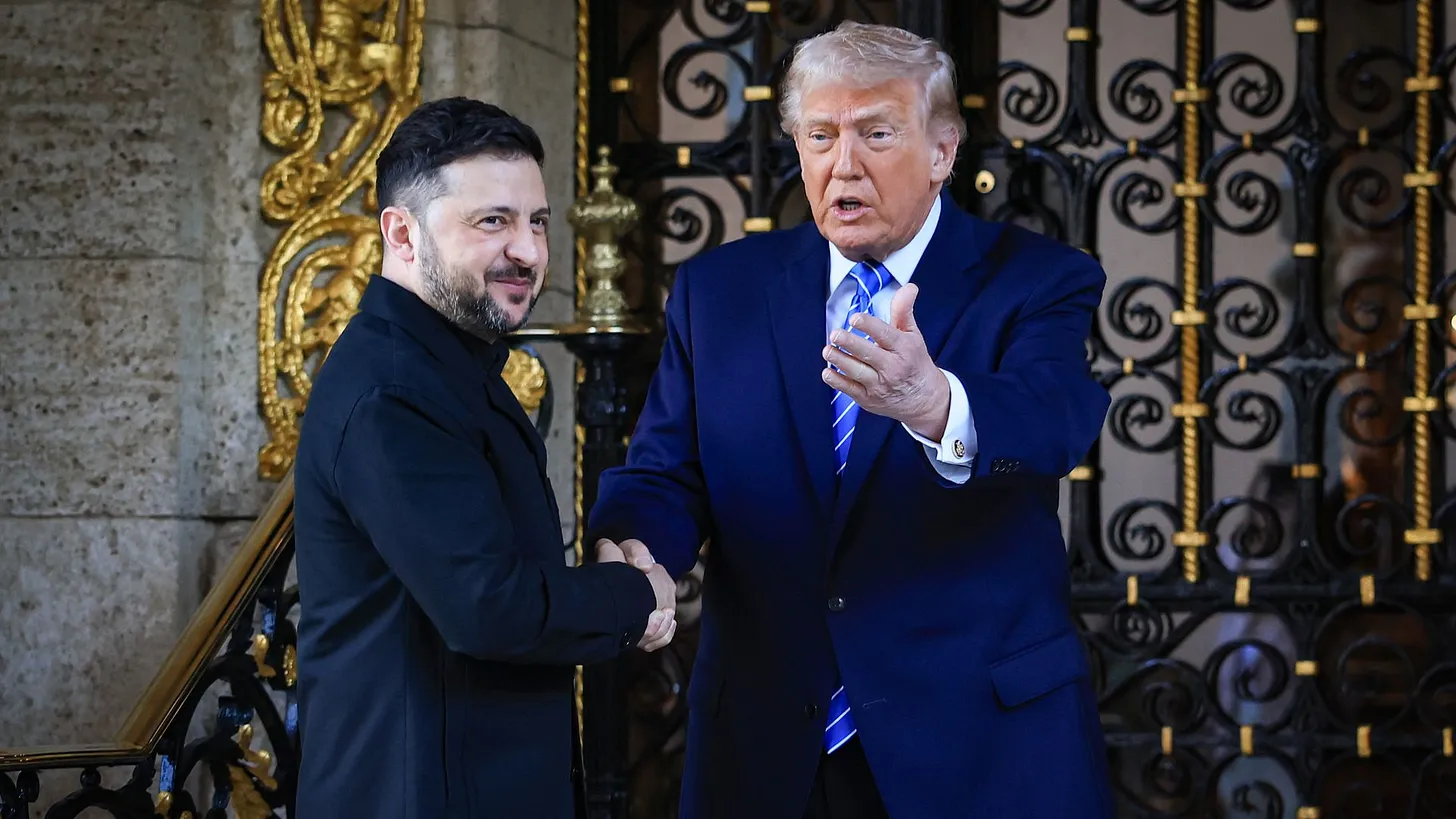
However, that by no means simply abandoning Ukraine altogether. The Trump-CIA-Budanov triangle is hardly reducible to simply formulae.
Attack the System

Categories: Uncategorized


